A small swelling in the abdomen is often ignored. It may not hurt much. It may even disappear when lying down. Because of this, many people delay seeking help. Over time, however, this small bulge can grow bigger and start causing discomfort in daily life.
A ventral hernia happens when a weak area in the abdominal wall allows internal tissue to push outward. It does not heal on its own. Without treatment, it can increase in size and may lead to complications.
This page explains what laparoscopic ventral hernia repair is, why it is needed, who may require it, how it is treated, and more.
Why Does a Ventral Hernia Develop
A ventral hernia develops when the muscles of the abdomen become weak or stretched. This creates a gap through which tissue or intestine can push out.
This weakness can happen for several reasons:
- Previous abdominal surgery that leaves a weak scar
- Pressure inside the abdomen over a long time
- Age-related loss of muscle strength
- Poor healing after surgery
Some everyday factors can increase the pressure on the abdomen:
- Being overweight
- Frequent coughing
- Constipation and straining
- Lifting heavy objects regularly
Over time, these factors can make the hernia more noticeable.
Who is at Higher Risk
Some people are more likely to develop a ventral hernia than others.
Higher risk is seen in:
- People who have had abdominal surgery before
- Individuals who are overweight or obese
- Those who have long-term cough or breathing problems
- People with diabetes or slow healing
- Smokers
- Women after pregnancy
- People who do heavy physical work
In such cases, early care and timely laparoscopic ventral hernia repair can help avoid complications.
Common Symptoms of a Ventral Hernia
Symptoms can be mild in the beginning. Many people notice only a small bulge.
Common symptoms include:
- A visible swelling or lump in the abdomen
- Bulge that increases when standing or coughing
- Mild pain or discomfort
- Feeling of heaviness or pressure
As the hernia grows, symptoms may become more noticeable:
- Pain during movement or lifting
- A bulge that does not go back inside easily
- Discomfort after long hours of standing
Serious symptoms that need urgent attention include:
- Sudden severe pain
- Nausea or vomiting
- A hard and painful swelling
Types and Treatment Options
Ventral hernias can be of different types depending on how they develop.
Common types include:
- Incisional hernia
- Occurs at the site of a previous surgery
- Primary ventral hernia
- Develops without any past surgery
Treatment depends on the size and condition of the hernia.
Modern surgical options include:
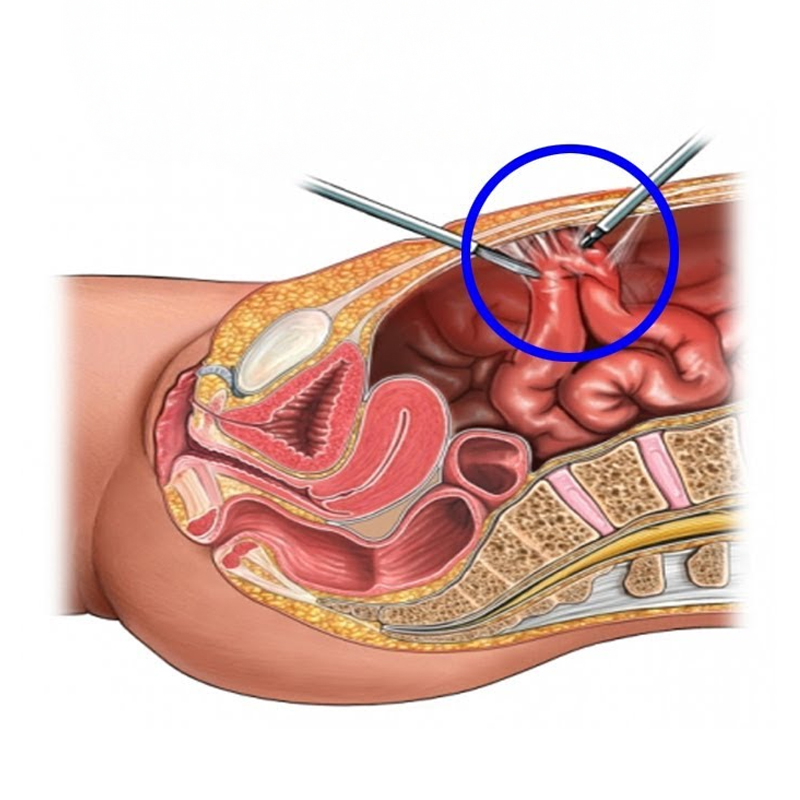
- Laparoscopic ventral hernia repair
- Uses small cuts instead of a large incision
- A camera helps guide the surgery
- Recovery is usually faster
- Laparoscopic ventral hernia repair with mesh
- A mesh is placed to support the weak area
- Helps reduce the chance of the hernia coming back
- Robotic-assisted laparoscopic ventral hernia repair
- Uses advanced robotic tools for better precision
- Useful in complex cases
- Robotic-assisted laparoscopic ventral hernia repair with mesh
- Combines precision with strong reinforcement
You may also hear the term CPT laparoscopic ventral hernia repair with mesh, which is mainly used for medical coding.
How Common is a Ventral Hernia
Ventral hernias are quite common, especially in people who have had surgery before.
Some important points:
- Many hernias develop at old surgical sites
- The risk increases with age and weight
- Some hernias remain unnoticed in early stages
With better awareness, more people are now getting early treatment.
How is a Ventral Hernia Diagnosed
Diagnosis usually starts with a simple physical check.
The doctor may:
- Examine the abdomen
- Ask the patient to stand, cough, or strain
If needed, further tests may be advised:
- Ultrasound
- CT scan
These tests help in:
- Confirming the hernia
- Understanding its size and position
- Planning the best treatment approach
This also helps decide if robotic laparoscopic ventral hernia repair is suitable.
Conditions that may Look Similar to a Ventral Hernia
Sometimes, other conditions may look like a hernia.
These include:
- Lipoma, which is a soft fatty lump
- Muscle swelling due to strain
- Fluid collection
- Rare abdominal wall growths
A proper check is important to avoid confusion and ensure correct treatment.
When Should Medical Help be Taken
It is important not to ignore a hernia.
Medical advice should be taken if:
- A bulge is seen in the abdomen
- The swelling is increasing in size
- Pain or discomfort is present
- The bulge does not go back inside
Immediate care is needed if:
- Pain becomes severe
- Nausea or vomiting occurs
- The swelling becomes hard
Early treatment with laparoscopic ventral hernia repair can prevent complications and make recovery easier.
Why Choose Dr Ajay Sharma for Laparoscopic Ventral Hernia Repair
Choosing the right doctor is an important part of treatment.
Dr Ajay Sharma focuses on careful evaluation and safe surgical care.
Key aspects include:
- Detailed assessment before surgery
- Use of modern minimally invasive techniques
- Experience in laparoscopic ventral hernia repair with mesh
- Skilled in robotic-assisted laparoscopic ventral hernia repair
- Focus on long-term results and reduced recurrence
The approach is centred on:
- Clear communication
- Patient comfort
- Smooth and faster recovery
Each case is treated based on individual needs rather than a one-size-fits-all approach.