Persistent difficulty in swallowing is often overlooked until it starts affecting everyday life. Meals take longer, discomfort builds up, and even simple eating habits begin to feel like a task. In many such cases, the underlying issue is not acidity alone but a condition called achalasia, where the food pipe struggles to move food into the stomach.
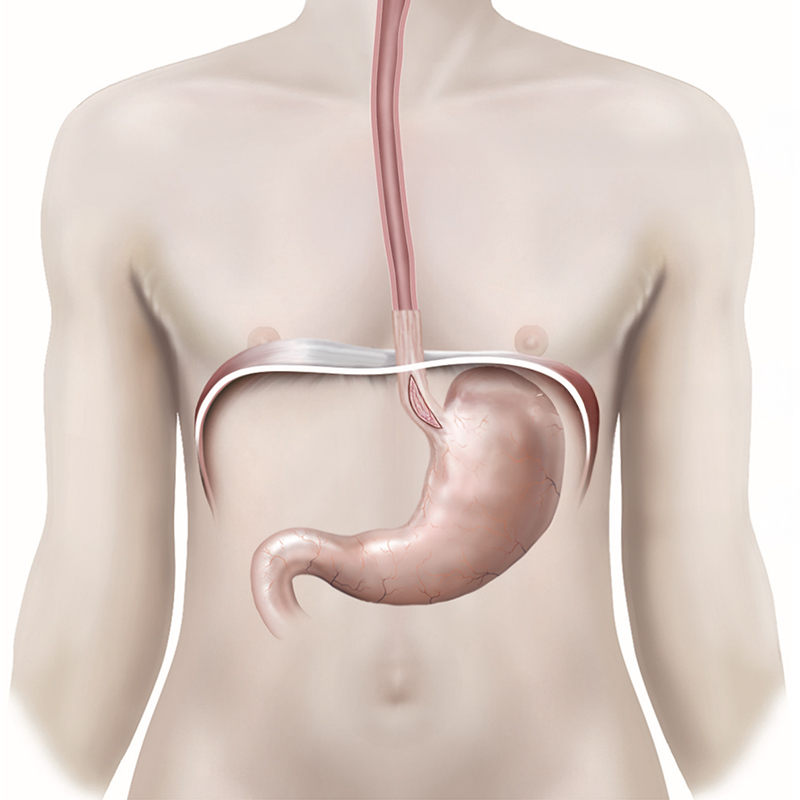
Heller’s cardiomyotomy is a well-established surgical procedure designed to address this exact problem. It helps relax the tight muscle at the lower end of the oesophagus, allowing food to pass more easily into the stomach.
This page explains what Heller’s cardiomyotomy is, when it is needed, how it works, and what outcomes can be expected.
Why Does This Condition Develop?
Heller’s cardiomyotomy is primarily performed for achalasia. This condition develops when the lower oesophageal sphincter fails to relax properly.
Under normal conditions, this muscle opens to let food enter the stomach. In achalasia, it remains tight, creating a blockage-like effect.
Possible reasons include:
- Nerve damage affecting oesophageal movement
- Degeneration of nerve cells controlling the swallowing process
- Unknown causes in many cases
Over time, food collects in the oesophagus, leading to discomfort and progressive symptoms.
Who is at Higher Risk?
Achalasia can affect people at different ages, but certain patterns are commonly seen:
- Adults between 25 and 60 years
- Individuals with a history of swallowing difficulties
- People experiencing long-standing regurgitation
- Those with unexplained weight loss due to eating difficulties
It is not typically linked to lifestyle factors like common acidity, which makes proper diagnosis important.
Common Symptoms
Symptoms often develop gradually and may be mistaken for acid reflux in early stages.
- Difficulty swallowing both solids and liquids
- Sensation of food getting stuck in the chest
- Regurgitation of undigested food
- Chest discomfort or pressure
- Weight loss due to reduced food intake
- Night-time coughing or choking
As symptoms progress, eating can become increasingly uncomfortable.
When is Heller’s Cardiomyotomy Recommended?
Not all patients require surgery immediately. Initial management may include medications or endoscopic treatments.
Heller’s cardiomyotomy is considered when:
- Symptoms are severe or long-standing
- Non-surgical treatments provide limited relief
- There is significant impact on nutrition and quality of life
- The oesophagus shows signs of dilation or damage
The aim is to provide lasting relief by directly addressing the muscle tightness.
How Does The Procedure Work?
Heller’s cardiomyotomy is usually performed using a laparoscopic approach.
- Small incisions are made in the abdomen
- The surgeon carefully cuts the tight muscle fibres at the lower end of the oesophagus
- This reduces pressure and allows food to pass smoothly
In many cases, a partial fundoplication is added. This helps prevent acid reflux after the muscle has been relaxed.
The procedure is precise and focuses on restoring normal swallowing function.
How Common is This Procedure?
Achalasia itself is relatively uncommon compared to conditions like acid reflux. However, among patients diagnosed with achalasia, Heller’s cardiomyotomy is considered one of the most effective treatments.
With advances in minimally invasive surgery, the procedure has become safer, with improved recovery times and consistent outcomes.
How is The Condition Diagnosed?
Before proceeding with surgery, proper evaluation is essential.
Tests may include:
- Oesophageal manometry to assess muscle function
- Barium swallow study to observe food movement
- Upper GI endoscopy to rule out other causes
These investigations confirm the diagnosis and guide treatment planning.
Conditions That May Resemble Achalasia
Symptoms of achalasia can overlap with other digestive conditions.
- Acid reflux (GERD)
- Oesophageal strictures
- Oesophageal cancer
- Functional swallowing disorders
Accurate diagnosis ensures that the right treatment is chosen.
When Should Medical Evaluation be Sought?
Early consultation is important if swallowing difficulties are noticed.
Medical attention should be considered if:
- Food frequently feels stuck in the chest
- There is regular regurgitation of food
- Eating becomes slow or uncomfortable
- Unexplained weight loss occurs
- Night-time choking or coughing is present
Delaying evaluation can lead to worsening symptoms and complications.
When Should Medical Evaluation be Sought?
For suitable patients, the procedure offers meaningful improvement:
- Relief from swallowing difficulties
- Reduced regurgitation
- Better nutritional intake
- Improved quality of life
- Long-term symptom control
When combined with anti-reflux measures, outcomes are generally favourable.
Recovery After Surgery
Recovery following laparoscopic Heller’s cardiomyotomy is usually smooth.
- Hospital stay is typically short, often 1 to 2 days
- A liquid diet is started initially, followed by a gradual progression
- Most daily activities can be resumed within a couple of weeks
- Follow-up ensures proper healing and symptom relief
Patients often notice improvement in swallowing soon after recovery.
Why Choose Dr. Ajay Sharma For Evaluation?
Expertise plays an important role in achieving the best results.
Dr. Ajay Sharma provides:
- Detailed assessment of swallowing disorders
- Experience in advanced laparoscopic procedures
- Personalised treatment planning
- Focus on both symptom relief and long-term outcomes
- Clear communication throughout the treatment journey
Care is centred on accuracy, safety, and patient comfort.