
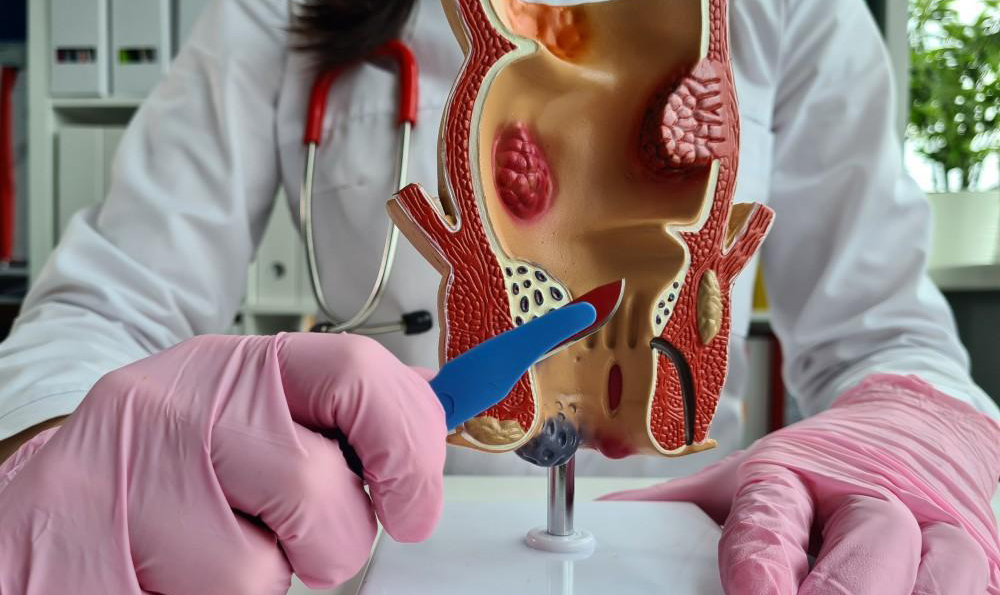
Fistula Surgery: Advanced Treatment for Anal Fistula
A fistula in ano, commonly called an anal fistula, is an abnormal narrow tunnel that forms between the inside of the anal canal and the skin around the anus.
It usually develops after an infection near the anus that leads to a collection of pus called an abscess. When the abscess does not heal completely, a small channel may remain and form a fistula.
Although the opening on the skin may look small, an anal fistula often extends deeper inside and can involve surrounding tissues. This is why many patients notice that the problem keeps coming back even after temporary relief.
Why Does Fistula in Ano Develop?
The most common cause of an anal fistula is a previous anal or perianal abscess. Small glands inside the anal canal can become infected. When this infection spreads to the surrounding area, an abscess forms. If the infected tract between the gland and the skin does not close properly after the abscess drains, a fistula can develop.
Common contributing causes include:
- Previous or untreated anal abscess
- Recurrent infection around the anus
- Blocked anal glands
- Delayed healing after local infection
In some patients, certain underlying conditions may increase the risk of fistula formation, such as inflammatory bowel disease, especially Crohn’s disease. In many people, however, the only clear history is a past painful swelling or abscess near the anus.
Who is at Higher Risk?
Anal fistula can occur in both men and women, but it is seen more often in men.
- Factors that may increase the risk include:
- A history of anal abscess
- Repeated infections around the anal area
- Chronic inflammatory bowel conditions
- Previous surgery near the anus
- Reduced immunity
Young and middle-aged adults commonly present with anal fistula, but it can affect people of any age.
Common Symptoms of Anal Fistula
The symptoms of fistula in ano are usually persistent and tend to recur. Common symptoms include:
- Continuous or repeated discharge of pus or fluid near the anus
- Staining of underwear due to discharge
- Pain or discomfort around the anal area
- Recurrent swelling or boils in the same area
- Redness and irritation of nearby skin
- Mild bleeding from the external opening
Many patients notice that pain reduces once discharge starts, but the opening on the skin does not heal completely. Some people may also experience fever or general discomfort during active infection.
How an Anal Fistula Develops
An anal fistula usually has:
- An internal opening inside the anal canal
- An external opening on the skin near the anus
Between these two openings runs a narrow tract. As long as this tract remains open, infection and discharge can continue. This explains why fistulas often do not resolve on their own and tend to recur if the underlying tract is not identified.
Types of Anal Fistula
Anal fistulas are classified based on how the tract passes through the muscles around the anus. From a patient’s point of view, fistulas are commonly described as:
- Simple fistulas, which follow a short and straightforward path
- Complex fistulas, which may branch, involve more muscle, or have multiple openings
- Some fistulas may also be associated with previous surgery or inflammatory bowel disease.
Understanding the type of fistula is important because it helps doctors assess the complexity of the condition and plan further evaluation.
How Common is Anal Fistula?
Anal fistula is a relatively common anorectal condition.
- International studies suggest that several people per ten thousand develop anal fistula each year.
- In gastroenterology and colorectal clinics in India, anal fistula forms a significant proportion of patients presenting with long-standing anal discharge, repeated abscesses and persistent discomfort around the anus.
How is Anal Fistula Diagnosed?
In most patients, diagnosis begins with a careful clinical evaluation. The doctor usually asks about:
- Recurrent discharge near the anus
- History of painful swelling or abscess
- Duration and pattern of symptoms
- Previous treatment or procedures
A gentle examination of the anal area is performed to look for an external opening, surrounding skin changes and signs of infection.
In many cases, imaging studies such as MRI or specialised ultrasound of the anal region are advised. These tests help identify:
- The exact path of the fistula tract
- The location of the internal opening
- Whether there are multiple tracts or hidden branches
This detailed assessment is important to understand the full extent of the fistula.
Conditions That May Resemble an Anal Fistula
Several conditions can cause pain, swelling or discharge near the anus and may appear similar at first.
These include:
- Recurrent anal abscess
- Infected cysts or skin glands
- Haemorrhoids with local irritation
- Anal fissure with secondary infection
- Certain skin infections
Because symptoms can overlap, proper medical evaluation is essential to confirm the exact cause.
Possible Impact of Long-Standing Anal Fistula
Although anal fistula is not life threatening, persistent disease can significantly affect daily comfort and quality of life.
- Long-standing fistula may lead to:
- Continuous skin irritation and soreness
- Repeated episodes of infection
- Difficulty sitting or walking comfortably
- Anxiety and embarrassment due to discharge
- Recurrent clinic visits and investigations
Ignoring symptoms can allow the infection to spread further into surrounding tissues and increase the complexity of the fistula.
How Anal Fistula Affects Daily Life
People living with an anal fistula often experience ongoing inconvenience because of constant discharge and local irritation.
- Many patients report:
- Needing to change dressings or clothing frequently
- Difficulty sitting for long periods
- Avoiding social activities due to discomfort
- Sleep disturbance when pain or discharge increases
Understanding the condition and receiving a clear diagnosis helps reduce uncertainty and allows patients to plan appropriate care.
When Should You Seek Medical Evaluation?
You should consult a specialist if you experience:
- Persistent or repeated discharge near the anus
- Recurrent painful swelling in the same area
- An opening near the anus that does not heal
- Fever or increasing pain along with discharge
- Repeated abscess formation
Early evaluation helps confirm the diagnosis and ensures that other causes of anal pain, swelling or discharge are excluded.
Why Choose Dr. Ajay Sharma for Fistula Evaluation?
Dr. Ajay Sharma offers a careful and patient-focused approach for people dealing with anal fistula, especially when symptoms such as discharge or repeated swelling continue for a long time. His evaluation is centred on:
- Understanding the complete fistula pathway, not only the visible skin opening
- Detailed and respectful clinical examination in a comfortable setting
- Clear and simple explanation of the condition, findings and next steps
- Individual assessment based on symptoms, bowel habits and past infections
- Use of evidence-based investigations when needed for accurate diagnosis
This structured and transparent approach helps patients feel informed and supported while ensuring that the problem is assessed thoroughly and reliably. If you are experiencing persistent discharge or recurring discomfort, you can book a consultation with Dr. Ajay Sharma for a professional and confidential fistula evaluation.