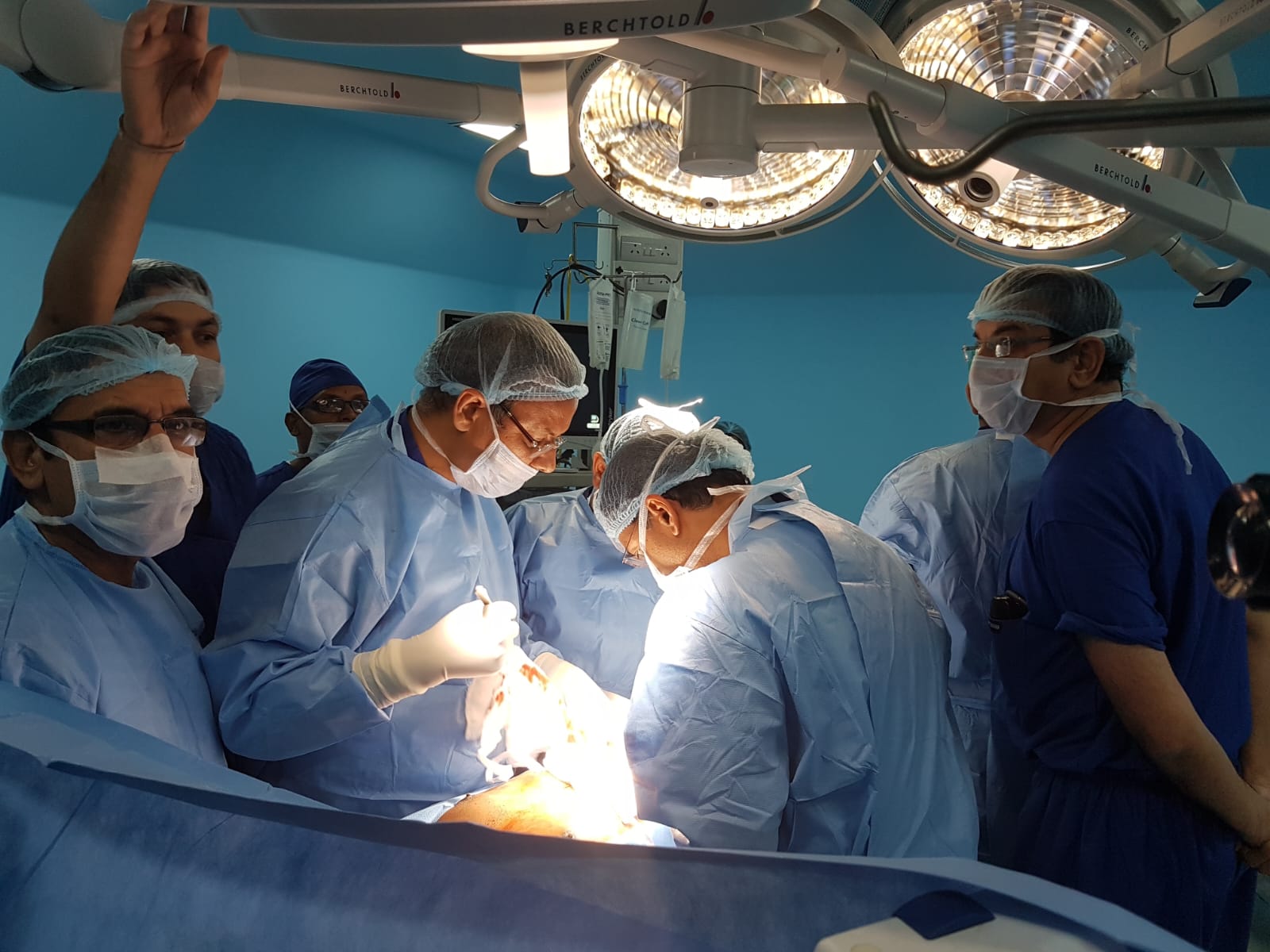
Digestive health often goes unnoticed until something begins to feel wrong. Persistent discomfort, unexplained weight loss, difficulty swallowing, or ongoing acidity can quietly affect daily life. When such concerns move beyond basic treatment, advanced gastrointestinal surgery becomes an important option for accurate diagnosis and effective care.
Advanced GI surgery focuses on treating conditions of the oesophagus, stomach, intestines, liver, pancreas, and related organs using modern, minimally invasive techniques. These procedures are designed to improve outcomes, reduce recovery time, and restore normal digestive function with precision.
This page explains what advanced GI surgery involves, who may need it, how it is performed, and when it is time to seek expert evaluation.
Why Advanced GI Surgery is Needed
Advanced gastrointestinal surgery is not always the first step in treatment. It is usually recommended when:
- Medicines and lifestyle changes do not provide relief
- A condition has progressed or become complicated
- There is a need for precise diagnosis through surgical evaluation
- Structural problems require correction
- There is suspicion of tumours or serious disease
Common conditions that may require advanced GI surgery include:
- Chronic acid reflux not responding to treatment
- Hernias affecting the digestive tract
- Gallbladder disorders
- Intestinal obstruction
- Liver and pancreatic conditions
- Gastrointestinal cancers
- Motility disorders affecting swallowing or digestion
The goal is not just treatment but long-term improvement in quality of life.
Who May Be at Higher Risk
Certain individuals are more likely to need advanced gastrointestinal care over time. Risk factors include:
- Long-standing digestive issues such as acidity or bloating
- Obesity and poor dietary habits
- Sedentary lifestyle
- Family history of gastrointestinal diseases
- Smoking and alcohol consumption
- Age above 40, especially with persistent symptoms
- Previous abdominal surgeries
Even without clear risk factors, persistent or unusual digestive symptoms should never be ignored.
Common Symptoms That May Require Surgical Evaluatio
Digestive problems often start small but can gradually worsen. Symptoms that may indicate the need for advanced GI assessment include:
- Frequent or severe acidity
- Difficulty swallowing or a feeling of food getting stuck
- Persistent abdominal pain
- Unexplained weight loss
- Nausea or vomiting that does not settle
- Blood in stool or black coloured stool
- Chronic constipation or diarrhoea
- Bloating that does not improve
These symptoms do not always mean surgery is required, but they do signal the need for proper evaluation.
Types of Advanced GI Procedures
Advanced GI surgery covers a wide range of procedures. The approach depends on the condition, severity, and patient health.
Minimally Invasive Surgery (Laparoscopic Surgery)
- Small incisions with the help of a camera
- Faster recovery and less pain
- Common for gallbladder removal, hernia repair, and reflux surgery
Robotic Surgery
- Greater precision and control
- Useful in complex gastrointestinal procedures
Endoscopic Procedures
- Performed using a flexible tube through the mouth or rectum
- Used for diagnosis and minor treatments
Open Surgery
- Required in complex or advanced cases
- Provides direct access to organs when needed
Each method is carefully selected to ensure safety and the best possible outcomes.
How Common is the Need for Advanced GI Surgery
Digestive disorders are increasingly common due to changing lifestyles, dietary patterns, and stress. While not all cases require surgery, a significant number of patients eventually benefit from advanced GI procedures.
Conditions like acid reflux, gallstones, and hernias are widely seen across all age groups. With improved awareness and diagnostic tools, more patients are now opting for timely surgical intervention rather than living with chronic discomfort.
How Advanced GI Conditions Are Diagnosed
Accurate diagnosis is the foundation of effective treatment. A combination of clinical evaluation and modern diagnostic tools is used.
- Medical history and symptom review
- Physical examination
- Endoscopy to examine the digestive tract
- Ultrasound or CT scan for internal imaging
- Blood tests to assess overall health
- Biopsy, if required, for further clarity
The aim is to identify the exact cause and determine whether surgical treatment is necessary.
Conditions That May Appear Similar
Many digestive issues share similar symptoms, which can sometimes delay proper treatment. Conditions that may overlap include:
- Acid reflux and peptic ulcers
- Gallbladder disease and liver disorders
- Irritable bowel syndrome and intestinal obstruction
- Gastritis and early-stage cancer
- Food intolerance and chronic digestive conditions
Because symptoms can overlap, self-diagnosis is not reliable. A detailed medical assessment helps avoid confusion and ensures correct treatment.
When to Seek Medical Evaluation
Timely consultation can prevent complications and reduce the need for more complex procedures later.
Medical evaluation should be considered if:
- Symptoms persist for more than a few weeks
- Pain becomes severe or frequent
- There is difficulty eating or swallowing
- Sudden weight loss occurs without reason
- There is vomiting of blood or blood in stool
- Daily life is affected by digestive discomfort
Early intervention often leads to simpler treatment and quicker recovery.
Why Choose Dr. Ajay Sharma for Advanced GI Surgery Evaluation
Choosing the right specialist is essential when dealing with gastrointestinal concerns. Advanced GI care requires not only technical expertise but also careful judgment and patient-focused planning.
Dr. Ajay Sharma offers:
- Experience in managing a wide range of gastrointestinal conditions
- A focus on minimally invasive and advanced surgical techniques
- Patient-centred evaluation with clear explanation of treatment options
- Structured diagnosis to avoid unnecessary procedures
- Emphasis on safety, precision, and recovery
Every case is approached individually, ensuring that treatment is tailored to the patient’s specific needs rather than following a fixed pattern.