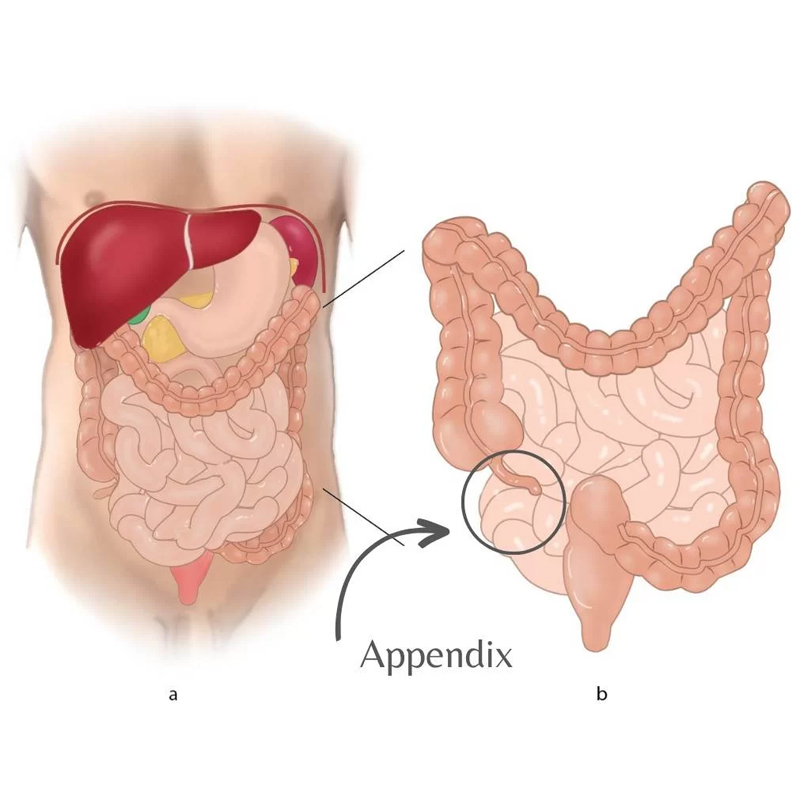
A sudden pain in the lower right abdomen can be unsettling, especially when it does not go away. In some cases, this pain is linked to a lesser-known cause, an appendix stone, medically called an appendicolith. While not everyone is familiar with this condition, it can play a key role in triggering appendicitis and may require timely appendix stone removal through surgery.
This page explains what an appendix stone is, how it develops, when appendix surgery for stone becomes necessary, and what individuals should know before seeking care.
Why Does Appendix Stone Develop?
An appendix stone forms when hardened material collects inside the appendix. This material may include stool, calcium deposits, or trapped debris. Over time, it hardens into a small stone-like structure.
Several factors can contribute to this:
- Poor bowel movement patterns leading to stool stagnation
- Low-fibre diet affecting digestive flow
- Chronic inflammation in the digestive tract
- Blockage within the appendix that prevents normal drainage
When the appendix gets blocked by a stone, it creates a closed space where bacteria can grow. This can lead to swelling, infection, and eventually appendicitis. In such cases, appendix stone removal is often part of the surgical treatment.
Who is at Higher Risk?
Appendix stones can occur in anyone, but certain groups may have a higher likelihood:
- Young adults and teenagers
- Individuals with a history of digestive issues
- People consuming a low-fibre diet
- Those with irregular bowel habits
- Patients with previous abdominal infections
Although not always preventable, awareness of risk factors can help in early recognition and timely care.
Common Symptoms of Appendix Stone
Not all appendix stones cause symptoms immediately. However, once they lead to blockage or infection, symptoms can become noticeable and may worsen quickly.
Common signs include:
- Sharp pain in the lower right abdomen
- Pain that starts near the navel and shifts downward
- Nausea or vomiting
- Loss of appetite
- Mild fever
- Bloating or difficulty passing gas
In more severe cases, the pain becomes intense and persistent. This often indicates inflammation of the appendix, where appendix surgery stone removal becomes necessary to prevent complications.
Types / Stages of Appendix Stone Condition
The presence of an appendix stone can be understood in stages based on its effect on the appendix:
1. Silent Stage
The stone is present but does not cause symptoms. It may be found accidentally during scans.
2. Obstructive Stage
The stone blocks the appendix, increasing pressure inside. Mild discomfort may begin.
3. Inflammatory Stage
The blockage leads to infection and swelling, commonly known as appendicitis.
4. Complicated Stage
If untreated, the appendix may rupture, leading to serious infection in the abdomen.
Recognising these stages early can reduce the need for emergency procedures.
How Common is Appendix Stone?
Appendix stones are not rare, but they are often underdiagnosed unless imaging is performed. Studies suggest that a significant number of appendicitis cases are associated with an appendicolith.
However, not every appendix stone leads to surgery. Some remain harmless, while others become the primary reason for acute appendicitis requiring urgent care.
How is Appendix Stone Diagnosed?
Diagnosis usually involves a combination of clinical evaluation and imaging tests.
Medical Assessment
A doctor will examine symptoms, especially abdominal tenderness and pain location.
Imaging Tests
- Ultrasound: Often the first step, especially in younger patients
- CT Scan: More accurate in identifying an appendix stone
- Blood Tests: Used to detect signs of infection
A confirmed diagnosis helps determine whether immediate appendix stone removal through surgery is required.
Conditions That May Resemble Appendix Stone
Several conditions can cause similar abdominal symptoms, making proper diagnosis essential:
- Gastroenteritis
- Kidney stones
- Urinary tract infections
- Ovarian cysts (in women)
- Intestinal infections
Because symptoms can overlap, imaging plays a crucial role in distinguishing an appendix stone from other causes.
When Should You Seek Medical Evaluation?
Medical attention should not be delayed if any of the following symptoms appear:
- Persistent pain in the lower right abdomen
- Pain worsening over a few hours
- Fever along with abdominal discomfort
- Vomiting that does not improve
- Difficulty in movement due to pain
Early evaluation can prevent complications such as rupture of the appendix. In many cases, timely appendix surgery stone treatment leads to quicker recovery and fewer risks.
Appendix Stone Removal and Surgery
When an appendix stone causes blockage or infection, surgery is usually recommended. The procedure is known as an appendectomy.
Types of Surgery
Laparoscopic Surgery
- Minimally invasive
- Small incisions
- Faster recovery
Open Surgery
- Used in complicated cases
- Required if the appendix has ruptured
During surgery, the appendix, along with the stone is removed. This eliminates the source of infection and prevents recurrence.
Recovery time varies but is generally shorter with laparoscopic methods.
Why Choose Dr. Ajay Sharma for Appendix Stone Evaluation?
Choosing the right specialist plays an important role in both diagnosis and treatment outcomes. Care under an experienced surgeon ensures that decisions are based on accurate assessment rather than assumptions.
Dr. Ajay Sharma’s approach focuses on:
- Careful evaluation using appropriate imaging
- Clear explanation of the condition and treatment options
- Use of minimally invasive techniques where suitable
- Attention to patient comfort and recovery
The emphasis remains on timely intervention, reducing complications, and ensuring a smooth recovery process for individuals dealing with appendix surgery stone conditions.