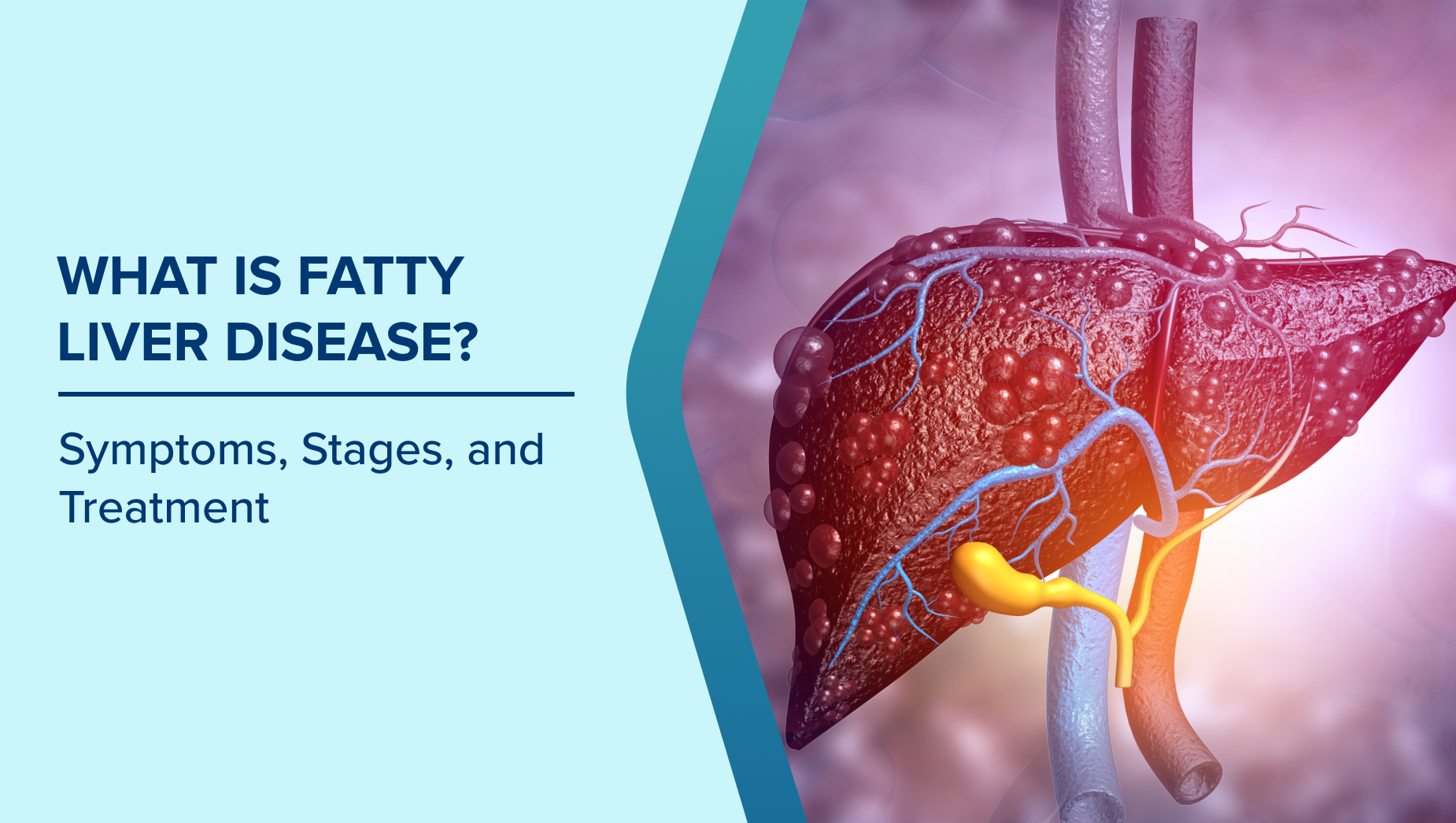
Fatty Liver Disease: Causes, Symptoms, Diagnosis, and Treatment
Fatty liver disease is a condition in which extra fat builds up inside the liver cells. A small amount of fat in the liver is normal. But when fat makes up a large part of the liver, it can start affecting how the liver works.
Your liver plays a very important role in your body. It helps clean your blood, supports digestion, stores energy, and controls many chemical processes. When too much fat settles in the liver for a long time, the organ becomes stressed and inflamed. This can slowly lead to liver damage if ignored.
The good news is that fatty liver is often reversible, especially when detected early. Many people live with this condition without knowing it because the symptoms can be very mild in the beginning. That is why early medical evaluation and proper guidance are extremely important.
Why Does Fatty Liver Develop?
Fatty liver usually develops when your body starts storing more fat in the liver than it can process. Some common reasons include:
- Eating a diet high in sugar, refined carbohydrates, and unhealthy fats
- Being overweight or obese
- Poor physical activity or a sedentary lifestyle
- High cholesterol or high triglyceride levels
- Diabetes or insulin resistance
- Excess alcohol intake (in alcohol-related fatty liver)
In many people today, fatty liver develops even without alcohol consumption. This is strongly linked to modern lifestyle habits, irregular eating patterns, stress, lack of exercise, and metabolic health problems.
When the body becomes less sensitive to insulin, fat from other parts of the body starts moving into the liver. Over time, this fat builds up and causes liver inflammation.
Who is at Higher Risk?
You may be at higher risk of developing fatty liver if you:
- Are overweight or have central (belly) obesity
- Have type 2 diabetes or pre-diabetes
- Have high blood pressure or abnormal lipid levels
- Follow a highly processed or sugary diet
- Have a family history of metabolic or liver disorders
- Lead a physically inactive lifestyle
- Drink alcohol regularly or heavily
- Have polycystic ovary syndrome (PCOS)
- Are experiencing rapid weight gain
Even people who appear “normal weight” can sometimes develop fatty liver if they have poor metabolic health.
Common Symptoms of Fatty Liver
In early stages, fatty liver often causes no obvious symptoms. This is one of the main reasons many people remain undiagnosed. When symptoms do appear, they may include:
- Persistent tiredness or low energy
- A feeling of heaviness or discomfort in the upper right side of the abdomen
- Mild abdominal bloating
- Unexplained weakness
- Poor appetite in some individuals
In more advanced stages, patients may experience:
- Increased fatigue
- Swelling in the abdomen or legs
- Yellowing of eyes or skin (rare but serious)
- Easy bruising
If you notice persistent fatigue along with digestive discomfort or abnormal blood test reports, it is important not to ignore it.
Types / Stages of Fatty Liver
Fatty liver disease usually progresses in stages:
- Simple fatty liver (steatosis): This is the early stage where fat accumulates in the liver, but there is little or no inflammation. Most people are in this stage at the time of diagnosis.
- Fatty liver with inflammation (steatohepatitis): At this stage, fat accumulation starts damaging liver cells and causes inflammation. This stage carries a higher risk of long-term liver problems.
- Liver fibrosis: Ongoing inflammation leads to the formation of scar tissue in the liver. The liver still works, but its structure slowly changes.
- Cirrhosis (advanced stage): Extensive scarring affects normal liver function. This is a serious condition and may lead to liver failure and other complications.
Not everyone progresses through all stages. Many patients can stop or reverse progression with timely treatment and lifestyle correction.
How Common is Fatty Liver?
Fatty liver has become one of the most common liver disorders worldwide. In urban populations, a large number of adults are affected due to:
- sedentary work routines
- increased intake of fast food and sugary drinks
- stress and sleep disturbances
A significant number of people discover fatty liver only during routine health checkups or ultrasound examinations. Because it often develops silently, its true prevalence is likely higher than reported.
How is Fatty Liver Diagnosed?
Diagnosis usually begins with a detailed medical consultation. Your doctor may recommend:
- Blood tests to check liver enzymes and metabolic markers
- Ultrasound of the abdomen, which commonly detects fat accumulation
- In selected cases, advanced imaging or liver stiffness tests
- Assessment of body weight, waist circumference, blood sugar and lipid profile
It is important to understand that normal liver enzyme reports do not always rule out fatty liver. That is why imaging and proper clinical evaluation are essential.
In rare or complex cases, further tests may be required to understand the stage of liver involvement.
Conditions That May Resemble Fatty Liver
Some medical conditions can present with similar findings or liver changes, such as:
- Alcohol-related liver disease
- Viral hepatitis
- Drug-induced liver injury
- Autoimmune liver disorders
- Metabolic or genetic liver conditions
Because different liver conditions may look similar on early imaging, proper clinical correlation and testing are very important. Self-diagnosis based only on ultrasound reports should be avoided.
When Should You Seek Medical Evaluation?
You should consider consulting a specialist if:
- Your ultrasound report shows fatty liver
- You have abnormal liver function tests
- You have diabetes, obesity, or metabolic syndrome
- You feel persistent fatigue without a clear cause
- You experience repeated digestive discomfort or abdominal heaviness
- You are planning lifestyle or weight-loss interventions and need medical guidance
Early evaluation helps identify the exact stage of the disease and allows you to start preventive care before permanent damage occurs.
Why Choose Dr. Ajay Sharma for Fatty Liver Evaluation?
Choosing the right specialist is essential for proper diagnosis, personalised care and long-term liver health. Patients choose Dr. Ajay Sharma for fatty liver evaluation because:
- He focuses on complete clinical assessment, not only reports
- Each patient receives a customised management plan, based on lifestyle, medical history and risk profile
- Special attention is given to early detection and disease reversal
- Clear guidance is provided for:
- diet planning
- weight management
- metabolic control
- long-term liver protection
- Patients are supported with practical and realistic lifestyle changes, rather than extreme or unsafe measures
- The approach is patient-centred, transparent and supportive, ensuring that individuals clearly understand their condition and treatment path
Most importantly, the goal is not just to manage reports, but to help patients build sustainable habits that protect their liver and overall health for the future.