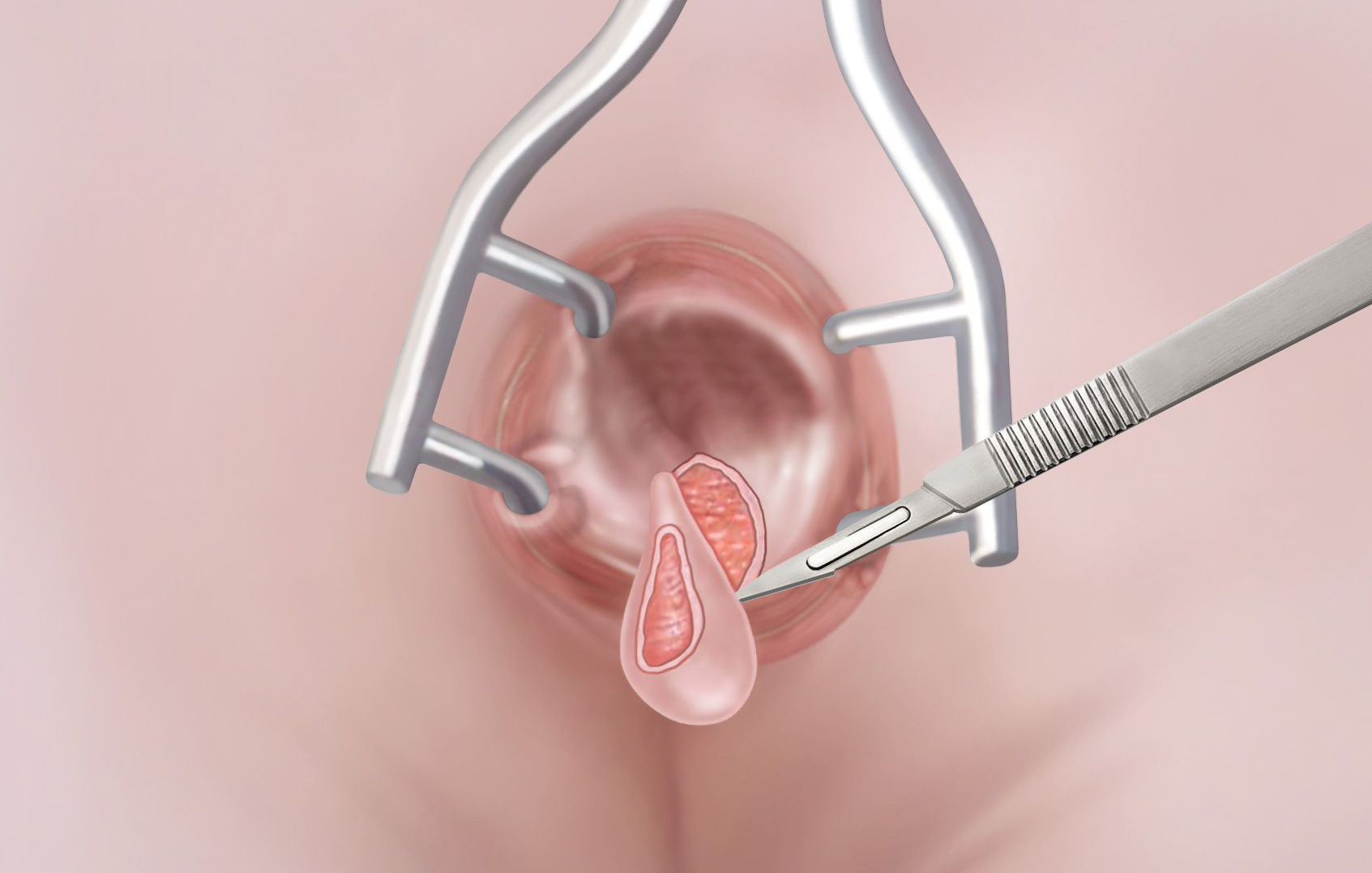
Fissure Surgery: Effective Treatment for Anal Fissure
A fissure in ano, commonly known as an anal fissure, is a small tear in the thin lining of the anal canal. The anus is the final part of the digestive tract through which stool leaves the body.
Although the tear is usually small, the area is very sensitive. As a result, even a minor fissure can cause sharp pain, burning and fresh bleeding during or after bowel movements.
Anal fissure is one of the most frequent causes of anal pain seen in gastroenterology clinics. It affects people of all ages and is often linked to bowel habit problems such as constipation or repeated diarrhoea.
In this page we will explains what an anal fissure is, why it occurs, how it is identified and when medical evaluation becomes important.
Why Does Fissure in Ano Develop?
The most common cause of anal fissure is stretching or injury of the anal lining. This usually happens because of:
- Passing hard, dry or large stools
- Long-standing constipation with repeated straining
- Prolonged or frequent diarrhoea
- Repeated irritation of the anal opening
In some people, the muscles around the anus remain excessively tight even when they are not passing stool. This tightness reduces circulation in the area and makes healing slower.
In a small number of patients, fissures may be associated with underlying bowel or inflammatory conditions. These cases often behave differently and require careful medical assessment.
Who is at Higher Risk?
Anal fissures can occur in anyone. However, certain factors increase the likelihood of developing this condition:
- Irregular bowel habits
- Low fluid intake leading to hard stools
- Sedentary lifestyle and prolonged sitting
- Pregnancy and childbirth
- Previous anal problems or procedures
Young and middle-aged adults commonly report fissure symptoms, but children and older adults can also be affected.
Common Symptoms of Anal Fissure
The symptoms of fissure in ano are usually very clear and easy for patients to recognise. They include:
- Sharp, cutting pain while passing stool
- Burning or stinging discomfort after bowel movement
- Bright red blood seen on toilet paper or on the surface of stool
- Tightness or spasm around the anus
- Local itching or irritation
Many patients notice that pain is most intense during bowel movement and may continue for several minutes or even hours afterwards.
Because of this discomfort, some people begin to avoid using the toilet. This may lead to stool withholding, worsening constipation and further aggravation of the fissure.
Acute and Chronic Anal Fissure
Anal fissures are generally classified into two types.
Acute anal fissure
This is a recent tear that usually develops suddenly. It often follows an episode of hard stool, dehydration or short-term bowel disturbance.
Chronic anal fissure
Try to heal fissure within six weeks or it becomes life threatening, as it is usually considered chronic. In these cases, the edges of the tear become thicker and healing becomes slower. A small external skin tag is commonly seen.
Distinguishing between acute and chronic fissure helps doctors understand how long the condition has been present and how it is behaving.
How Common is Anal Fissure?
Anal fissure is a common anorectal condition worldwide. Large population studies suggest that roughly one person per thousand develops an anal fissure each year.
In routine gastroenterology and colorectal practice in India, fissure in ano forms a significant proportion of patients presenting with anal pain and fresh rectal bleeding. This makes it one of the most frequently encountered conditions in everyday clinical care.
How is Anal Fissure Diagnosed?
In most patients, diagnosis is simple and does not require complex testing. The doctor usually begins by asking about:
- Pain during bowel movements
- Presence and pattern of bleeding
- Bowel habits such as constipation or diarrhoea
- Duration and recurrence of symptoms
A gentle visual examination of the anal area is often enough to identify the tear. Because fissures are usually visible from outside, internal instruments are not routinely required.
If the fissure is located in an unusual position, keeps recurring, or is associated with other symptoms such as unexplained weight loss, persistent diarrhoea or abdominal pain, additional investigations may be advised to rule out other bowel conditions.
Conditions That May Resemble a Fissure
Several other anorectal problems can cause pain or bleeding and may appear similar at first. These include:
- Haemorrhoids
- Anal abscess
- Anal fistula
- Inflammatory bowel disorders
- Skin conditions affecting the anal region
Proper clinical evaluation is important to ensure the correct cause of symptoms is identified.
When Should You Seek Medical Evaluation?
You should consult a specialist if you experience:
- Pain during bowel movements that lasts for several weeks
- Recurrent or persistent fresh bleeding
- Severe pain that interferes with daily activities
- Repeated fissures in the same area
Additional symptoms such as unexplained weight loss, long-term bowel changes or persistent abdominal discomfort
Early evaluation helps confirm the diagnosis and ensures that other causes of anal pain and bleeding are excluded.
Why Choose Dr. Ajay Sharma for Fissure Evaluation?
Dr. Ajay Sharma provides a calm, structured and patient-centred approach for people suffering from anal fissure, especially when pain or bleeding keeps returning.
His fissure evaluation focuses on:
- Understanding the real cause of the fissure, such as constipation, bowel habits and muscle tightness
- Gentle and respectful clinical examination in a comfortable setting
- Clear explanation of the findings and what the condition means in simple language
- Individual assessment for both recent and long-standing fissures
- Use of evidence-based evaluation methods to ensure accurate diagnosis
This balanced and reliable approach helps patients feel informed and supported while ensuring the problem is assessed properly. If you are experiencing persistent pain or bleeding during bowel movements, you can book a consultation with Dr. Ajay Sharma for a professional and confidential fissure evaluation.