Jaundice: Causes, Symptoms, Diagnosis, and Surgical Management
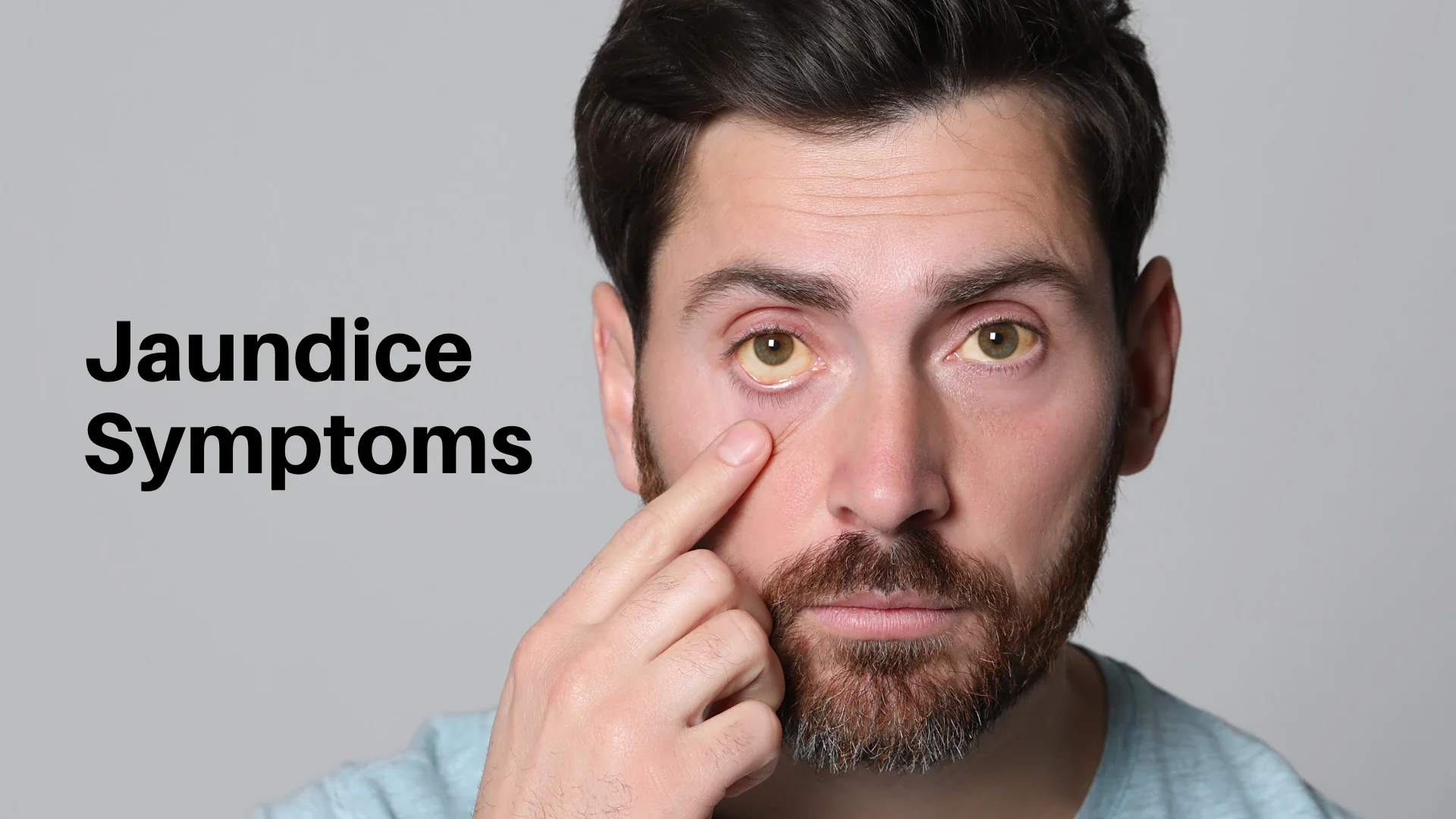
Jaundice is a medical condition in which the skin, the whites of the eyes, and sometimes the inside of the mouth turn yellow. This yellow colour appears when a substance called bilirubin builds up in the blood.
Bilirubin is formed when old red blood cells break down. A healthy liver removes bilirubin from the body. When this process is disturbed, bilirubin increases and jaundice becomes visible.
Jaundice is not a disease by itself. It is a sign of an underlying problem in the liver, bile ducts, blood, or sometimes due to infections or medicines. Because jaundice can indicate both mild and serious conditions, proper medical evaluation is very important.
Why Does Jaundice Develop?
Jaundice develops when the body cannot properly handle bilirubin. This can happen in three main situations:
- Increased breakdown of red blood cells: When red blood cells break down faster than normal, the body produces more bilirubin than the liver can process.
- Liver-related problems: If liver cells are inflamed, infected, damaged, or overloaded, they are unable to process bilirubin properly.
- Blockage in bile flow: Bilirubin normally flows out of the liver through small tubes called bile ducts. If these ducts are blocked, bilirubin goes back into the bloodstream.
Common causes include:
- Viral hepatitis
- Fatty liver disease
- Alcohol-related liver damage
- Gallstones blocking the bile duct
- Certain medicines
- Infections
- Liver inflammation or injury
Who is at higher risk?
Some people are more likely to develop jaundice due to lifestyle, health history, or medical conditions. People at higher risk include:
- Individuals with existing liver disease
- People who consume alcohol regularly or in large amounts
- Those who have had viral hepatitis in the past
- People taking long-term medicines that affect the liver
- Patients with gallstones
- Individuals with blood disorders affecting red blood cells
- People exposed to contaminated food or water
Early medical advice is especially important if you belong to any of these groups.
Common Symptoms of Jaundice
The most noticeable sign is the yellow colour of the skin and eyes. However, jaundice usually comes with other symptoms depending on the cause. Common symptoms include:
- Yellowing of eyes and skin
- Dark yellow or tea-coloured urine
- Pale or clay-coloured stools
- Tiredness and weakness
- Loss of appetite
- Nausea or vomiting
- Mild to severe itching
- Discomfort or pain in the upper right side of the abdomen
- Fever (in some infections)
Not every patient will have all symptoms. Some people may notice only eye yellowing at first.
Types / Stages of Jaundice
Doctors broadly classify jaundice based on where the problem occurs in the body.
- Pre-hepatic jaundice: This occurs before bilirubin reaches the liver. It is mainly related to excessive breakdown of red blood cells.
- Hepatic jaundice: This happens when liver cells are not working properly due to inflammation, infection, fatty liver, or toxic damage.
- Post-hepatic jaundice (obstructive jaundice): This occurs when bile flow is blocked after bilirubin leaves the liver, usually due to stones, strictures, or growths in the bile ducts.
This classification helps doctors decide which tests are needed and what treatment is most appropriate.
How Common is Jaundice?
Jaundice is a frequently seen clinical condition across all age groups. It is especially common in:
- People with viral infections of the liver
- Individuals with lifestyle-related liver problems
- Patients with gallbladder and bile duct issues
Because many liver conditions are becoming more common due to stress, diet changes, and sedentary lifestyle, jaundice is being reported more often in outpatient and hospital settings.
The good news is that with timely diagnosis, many causes of jaundice can be treated effectively.
How is Jaundice Diagnosed?
Diagnosis focuses on identifying the underlying cause rather than only confirming yellow discoloration.
Your doctor may recommend:
Clinical examination
- Checking the colour of eyes and skin
- Examining the abdomen for liver enlargement or tenderness
Blood tests
- Bilirubin levels
- Liver function tests
- Infection markers
- Blood counts
Imaging tests
- Ultrasound of the abdomen to assess the liver, gallbladder, and bile ducts
- CT scan or MRI if required
Additional tests
- Viral hepatitis screening
- Special tests when autoimmune or metabolic liver disorders are suspected
Accurate diagnosis is the most important step before starting any treatment.
Conditions That May Resemble Jaundice
Some conditions can look similar to jaundice or cause mild yellowish appearance but are not true jaundice. These include:
- Skin pigmentation disorders
- Certain food and supplement-related discoloration
- Eye surface conditions causing mild yellowing
- Dehydration that makes urine appear dark
Only blood tests and medical evaluation can confirm whether bilirubin is actually elevated.
When Should You Seek Medical Evaluation?
You should consult a doctor immediately if you notice:
- Yellowing of eyes or skin
- Dark urine and pale stools
- Persistent fatigue with appetite loss
- Fever with abdominal pain
- Sudden itching along with yellow discolouration
- Jaundice developing after starting a new medicine
- Jaundice in a person with known liver disease
Do not delay evaluation, even if the yellowing appears mild. Early diagnosis prevents complications and allows faster recovery.
Why Choose Dr. Ajay Sharma for Jaundice Evaluation?
Choosing the right doctor for jaundice is important because the condition requires careful and step-by-step medical assessment. Patients choose Dr. Ajay Sharma for:
- Focused and systematic evaluation: Every patient is assessed with a clear diagnostic plan to identify the real cause of jaundice, not just treat visible symptoms.
- Clear and honest communication: Medical findings, reports and treatment options are explained in simple language for patients and family members.
- Personalised care approach: Each case of jaundice is different. Treatment plans are designed based on the patient’s health history, lifestyle and investigation results.
- Coordination of advanced investigations when needed: Imaging, specialist consultations and follow-up tests are arranged in a structured manner to avoid unnecessary delays.
- Ethical and patient-first practice: Only required tests and evidence-based treatments are advised, ensuring both safety and transparency.