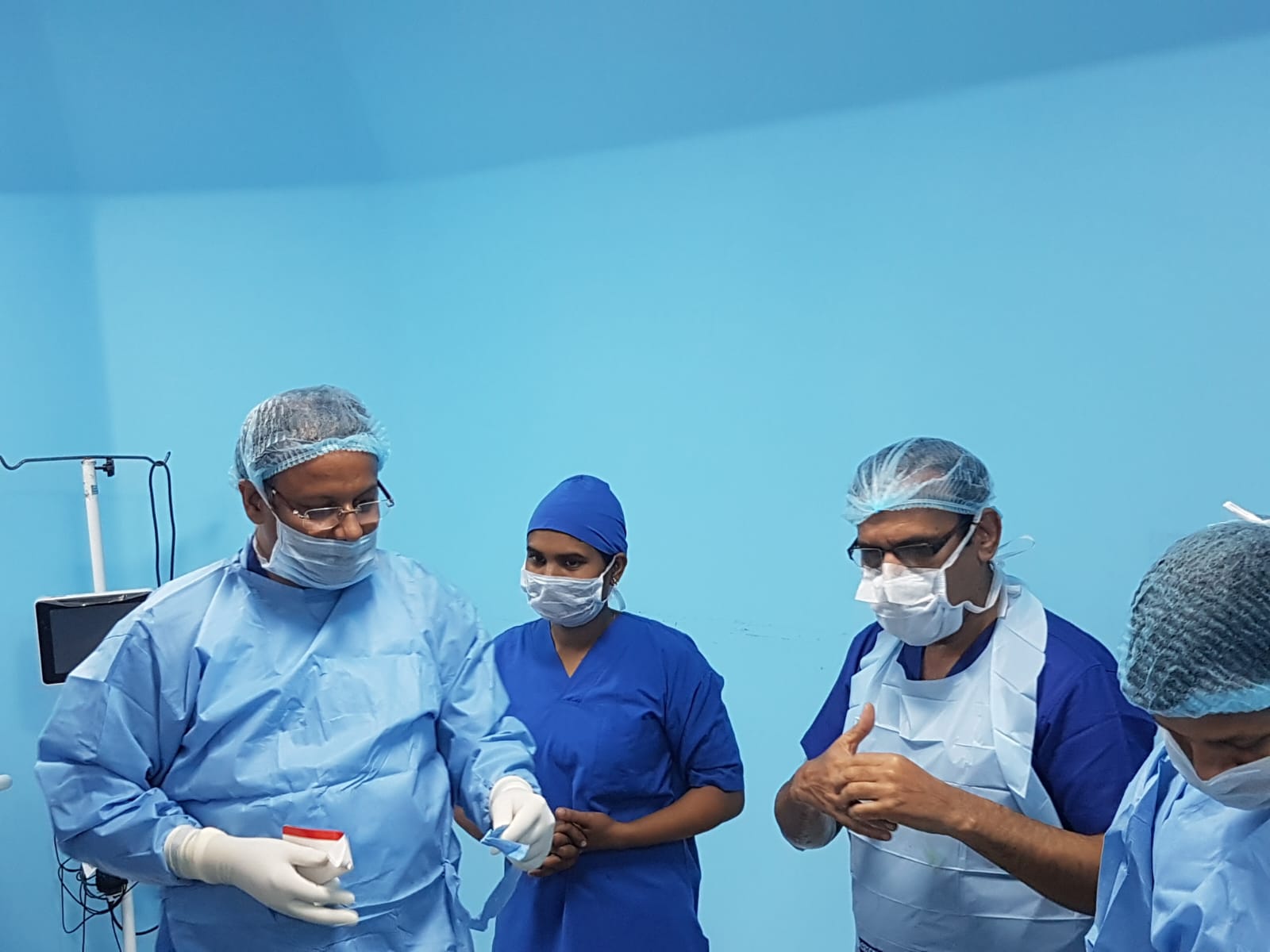
Abdominal pain that does not settle, bloating that keeps coming back, or difficulty in bowel movements can sometimes be linked to something not easily visible on routine scans adhesions. These are bands of scar tissue that form inside the abdomen, often after surgery or infection, and can cause organs to stick together.
Laparoscopic adhesiolysis is a modern surgical procedure used to carefully release these adhesions using minimally invasive techniques. It is designed to relieve symptoms, restore normal organ movement, and improve overall quality of life without the need for large incisions.
This page explains what laparoscopic adhesiolysis involves, why it is needed, who may benefit from it, and when medical evaluation becomes important.
Why Does Adhesion Formation Develop?
Adhesions usually develop as part of the body’s natural healing process. When tissues inside the abdomen are disturbed, the body forms scar tissue to repair the area. In some cases, this scar tissue becomes excessive and forms bands that connect organs that should normally remain separate.
Common reasons include:
- Previous abdominal or pelvic surgery
- Infections such as appendicitis or pelvic inflammatory disease
- Inflammation within the abdomen
- Trauma or injury to internal organs
- Radiation therapy in some cases
While adhesions themselves are not always harmful, they can lead to complications when they restrict normal movement or block organs such as the intestines.
Who is at Higher Risk?
Not everyone develops problematic adhesions. However, certain individuals are more likely to require laparoscopic adhesiolysis.
Higher risk groups include:
- People with a history of abdominal surgery, especially multiple procedures
- Individuals who have experienced abdominal infections
- Women with conditions like endometriosis
- Patients with inflammatory bowel conditions
- Those who have undergone pelvic surgeries
The risk tends to increase with repeated surgical interventions, as each procedure can lead to additional scar tissue formation.
Common Symptoms of Adhesions
Adhesions can remain silent for years. When symptoms appear, they may vary depending on the location and severity.
Typical symptoms include:
- Persistent or recurring abdominal pain
- Bloating and discomfort after eating
- Nausea or vomiting
- Constipation or difficulty passing stools
- Episodes of bowel obstruction
- Pelvic pain in some cases
These symptoms can often be mistaken for other digestive conditions, which is why proper evaluation is important.
Types and Severity of Adhesions
Adhesions are not classified into strict stages like some diseases, but they can vary in severity and impact.
They may be:
- Thin and filmy: Usually less problematic and easier to treat
- Dense and thick: More complex, often involving multiple organs
- Localised: Limited to one area
- Extensive: Spread across larger sections of the abdomen
The complexity of adhesions often determines whether laparoscopic adhesiolysis is suitable and how the procedure is planned.
How Common is Adhesiolysis Surgery?
Adhesions are quite common after abdominal surgery, but not all require treatment. A large number of patients live without symptoms.
However:
- A significant percentage of patients develop adhesions after surgery
- Only a smaller group experience symptoms severe enough to need intervention
- Laparoscopic adhesiolysis is increasingly preferred due to its minimally invasive nature
With advancements in surgical techniques, more patients are now able to benefit from quicker recovery and reduced complications.
How is Laparoscopic Adhesiolysis Performed and Diagnosed?
Diagnosing adhesions can be challenging because they are not always visible on imaging tests like CT scans or ultrasounds. Doctors usually rely on:
- Detailed medical history
- Physical examination
- Imaging tests to rule out other conditions
- Diagnostic laparoscopy when required
Laparoscopic adhesiolysis is both a diagnostic and treatment procedure. It involves:
- Making small incisions in the abdomen
- Inserting a camera (laparoscope) to view internal structures
- Carefully cutting and releasing adhesions using specialised instruments
The procedure is performed under general anaesthesia and is considered safe when done by an experienced surgeon.
Conditions That May Resemble Adhesion-Related Problems
Because symptoms are often non-specific, several conditions may appear similar to adhesion-related issues. These include:
- Irritable bowel syndrome (IBS)
- Hernias
- Gallbladder disease
- Kidney stones
- Gastrointestinal infections
- Endometriosis
This overlap makes an accurate diagnosis essential before proceeding with surgery.
Recovery Time After Laparoscopic Adhesiolysis
One of the key advantages of laparoscopic adhesiolysis is faster recovery compared to open surgery.
Typical recovery includes:
- Short hospital stay, often same day or 1–2 days
- Return to light activities within a few days
- Full recovery usually occurs within 2–3 weeks
- Less post-operative pain and smaller scars
However, recovery may vary depending on the complexity of adhesions and the patient’s overall health.
Is Laparoscopic Adhesiolysis a Major Surgery?
Although it is a surgical procedure performed under general anaesthesia, laparoscopic adhesiolysis is considered minimally invasive rather than major open surgery.
Key points to understand:
- Smaller incisions reduce trauma to the body
- Lower risk of complications compared to open procedures
- Faster healing and return to routine life
- Reduced risk of forming new adhesions
That said, it still requires careful planning and should only be performed when clearly indicated.
When Should You Seek Medical Evaluation?
It is important not to ignore persistent abdominal symptoms, especially if there is a history of surgery. Medical evaluation should be considered if:
- Pain is ongoing or worsening
- There are repeated episodes of vomiting or bloating
- Bowel habits change significantly
- There are signs of bowel obstruction such as severe pain and inability to pass gas
- Symptoms interfere with daily life
Early evaluation can help prevent complications and allow timely treatment.
Why Choose Dr. Ajay Sharma For Laparoscopic Adhesiolysis Evaluation?
Choosing the right specialist plays an important role in both diagnosis and treatment outcomes. Evaluation for laparoscopic adhesiolysis requires clinical expertise, careful judgement, and a patient-focused approach.
Dr. Ajay Sharma is known for:
- Extensive experience in advanced laparoscopic procedures
- A thorough and evidence-based diagnostic approach
- Focus on minimally invasive techniques
- Clear communication and patient education
- Personalised treatment planning based on individual needs
The goal is always to recommend surgery only when necessary and to ensure the safest and most effective outcome for each patient.