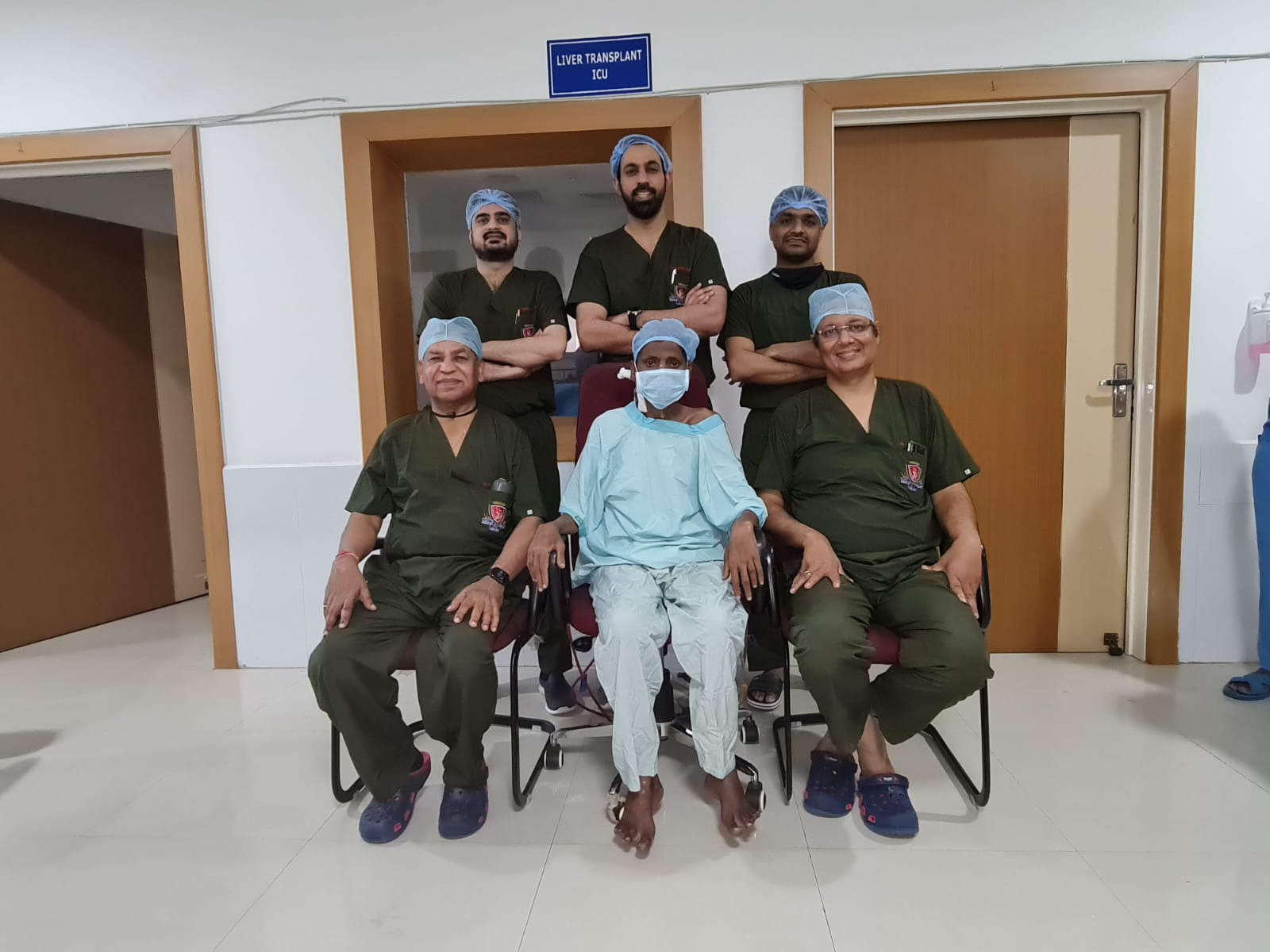
Modern surgery has moved steadily towards techniques that reduce pain, shorten recovery, and allow patients to return to normal life sooner. One such advancement is laparoscopic intra-abdominal solid organ surgeries, a minimally invasive approach used to treat conditions affecting organs such as the liver, spleen, pancreas, and kidneys.
Instead of large incisions, this method uses small keyhole cuts and a camera to guide the procedure. It is widely preferred for its precision and faster healing. Patients often find it less overwhelming compared to traditional open surgery, both physically and emotionally.
This page explains why these surgeries are performed, who may need them, what symptoms to look for, and how they are diagnosed and managed.
Why Does Laparoscopic Intra-Abdominal Solid Organ Surgery Develop as a Need?
These surgeries are not conditions themselves but treatments for underlying problems affecting internal organs. The need arises when there is a structural or functional issue that cannot be managed through medicines alone.
Common reasons include:
- Tumours or cysts in organs such as the liver or pancreas
- Trauma or injury to abdominal organs
- Infections or abscess formation
- Enlarged spleen or diseased kidney
- Certain benign growths that continue to cause discomfort
A key technical aspect of these procedures is the use of controlled laparoscopic intra-abdominal pressure. Carbon dioxide gas is introduced into the abdomen to create space for the surgeon to operate.
This is carefully regulated because during laparoscopy, the intra-abdominal pressure is maintained within a safe range to ensure visibility without affecting blood flow or organ function.
Who is at Higher Risk?
Not everyone requires surgery. However, certain individuals are more likely to develop conditions that may need laparoscopic management.
Higher risk groups include:
- People with a history of abdominal infections or inflammation
- Individuals with liver disease or pancreatic disorders
- Patients with previous abdominal injuries
- Those with genetic conditions affecting organ structure
- Older adults where organ function may decline over time
Lifestyle factors such as poor diet, alcohol use, and untreated medical conditions may also contribute to complications that eventually require surgical intervention.
Common Symptoms of Intra-Abdominal Organ Conditions
Symptoms vary depending on the organ involved, but some signs are commonly reported across different conditions.
These include:
- Persistent abdominal pain or discomfort
- Swelling or a feeling of fullness in the abdomen
- Unexplained weight loss
- Nausea or vomiting
- Fever in case of infection
- Fatigue or general weakness
In some cases, symptoms remain mild for a long time, which can delay diagnosis. This is why even subtle and ongoing discomfort should not be ignored.
Types or Stages of Laparoscopic Intra-Abdominal Solid Organ Surgeries
The type of surgery depends on the organ affected and the severity of the condition. These procedures are planned after detailed imaging and clinical evaluation.
Common types include:
- Laparoscopic liver surgery for tumours or cyst removal
- Laparoscopic splenectomy for spleen-related disorders
- Laparoscopic pancreatic surgery for cysts or growths
- Laparoscopic kidney procedures for selected conditions
In some specialised cases, techniques like laparoscopic intragastric surgery may be used for lesions within the stomach.
The surgical process also involves careful monitoring of laparoscopy intra-abdominal pressure, as maintaining the right pressure helps reduce complications and improve surgical outcomes. Generally, the intra-abdominal pressure during laparoscopy should be set between safe limits decided by the surgeon, depending on the patient’s condition.
How Common are These Procedures?
Laparoscopic procedures have become increasingly common over the past two decades. With advancements in technology and surgical training, they are now widely used across hospitals for both routine and complex cases.
While not every patient is suitable for a minimally invasive approach, a significant number of abdominal surgeries today are performed laparoscopically. This shift reflects a broader preference for safer, less invasive treatment methods.
How is the Condition Diagnosed?
Before recommending surgery, a thorough diagnosis is essential. This helps in understanding the exact nature of the problem and planning the right treatment.
Diagnostic steps may include:
- Physical examination and detailed medical history
- Blood tests to assess organ function
- Ultrasound or CT scan for imaging
- MRI in more complex cases
- Biopsy if a tumour is suspected
These investigations help determine whether surgery is required and if a laparoscopic approach is suitable.
Conditions That May Resemble Intra-Abdominal Organ Issues
Some conditions may present with similar symptoms, but do not always require surgical treatment. Differentiating between them is important.
These may include:
- Gastric or intestinal disorders
- Acid reflux or indigestion
- Muscle strain in the abdominal wall
- Kidney stones
- Gallbladder-related issues
Accurate diagnosis ensures that patients receive the most appropriate care and avoid unnecessary procedures.
When Should You Seek Medical Evaluation?
Timely consultation can make a significant difference in outcomes. Delaying medical advice may allow conditions to progress and become more complex.
Medical evaluation is advised if:
- Abdominal pain persists for more than a few days
- There is unexplained weight loss or fatigue
- Fever accompanies abdominal discomfort
- There are repeated digestive disturbances
- A known condition is worsening despite treatment
Early detection often allows for simpler and more effective management, sometimes even avoiding major surgery.
Why Choose Dr. Ajay Sharma for laparoscopic intra-abdominal solid organ surgery evaluation?
Choosing the right specialist plays a crucial role in both diagnosis and treatment. Expertise in minimally invasive techniques is especially important for procedures involving delicate internal organs.
Dr. Ajay Sharma is known for:
- Experience in advanced laparoscopic procedures
- A patient-centred approach with clear communication
- Careful evaluation before recommending surgery
- Focus on safety, precision, and recovery
- Use of modern surgical techniques and equipment
Each case is assessed individually, ensuring that treatment decisions are based on medical need rather than routine practice.