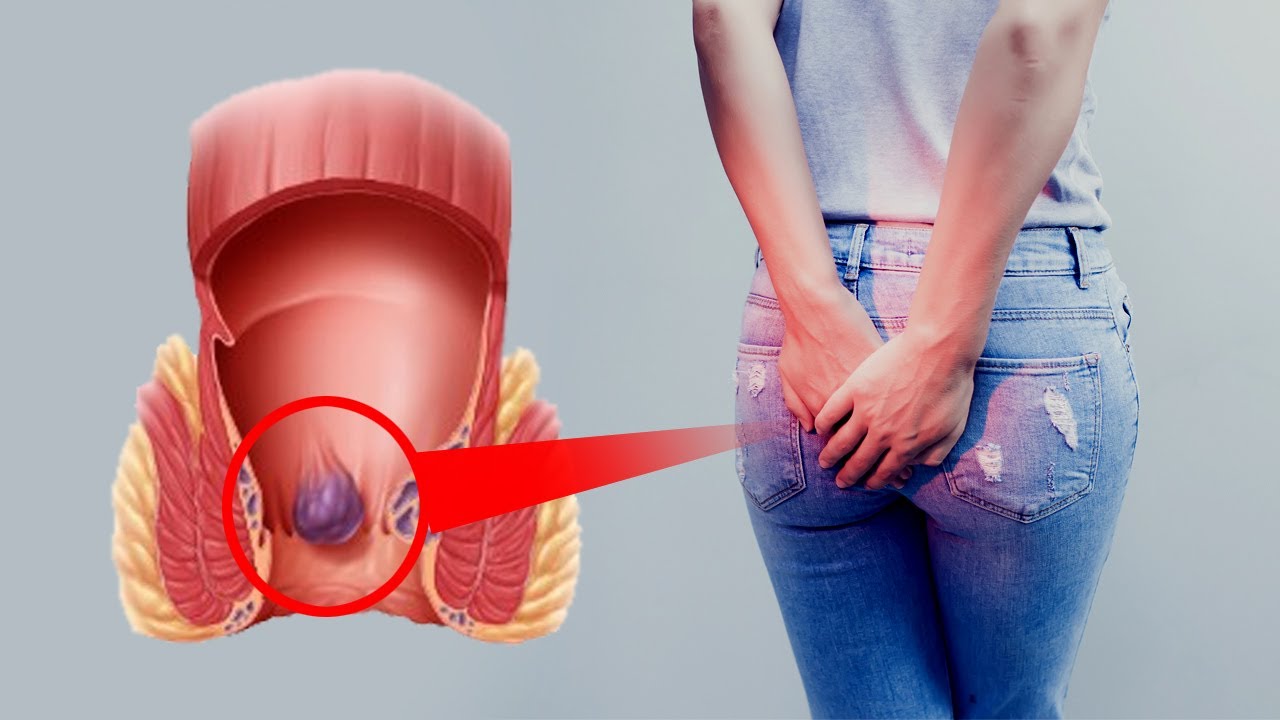
Piles (Hemorrhoids): Causes, Symptoms, and Advanced Treatment
Piles develop when the veins in and around the anus become swollen and inflamed.
These swollen veins can be located:
- inside the rectum (internal piles), or
- around the opening of the anus (external piles)
In the early stages, piles may cause mild discomfort. If left untreated, they can progress to painful swelling, bleeding, and difficulty in daily activities such as sitting or passing stools.
Piles are not life-threatening, but they should never be ignored, because symptoms such as rectal bleeding can also be linked to other serious conditions. A proper medical evaluation helps confirm the exact cause and prevents unnecessary anxiety.
Why Do Piles Develop?
Piles develop mainly due to increased pressure on the veins of the rectal area.
The most common reasons include:
- Repeated straining during bowel movements
- Chronic constipation or hard stools
- Sitting for long periods on the toilet
- Low-fibre diet and inadequate water intake
- Long hours of sitting or sedentary lifestyle
- Pregnancy (due to increased abdominal pressure)
- Excess body weight
- Heavy lifting without proper support
Over time, this continuous pressure weakens the vein walls. The veins enlarge, lose their normal support, and start to bulge, leading to piles.
Who is at Higher Risk?
You may be at higher risk of developing piles if you:
- Frequently suffer from constipation
- Have an irregular bowel routine
- Spend long hours sitting at work
- Follow a low-fibre or highly processed diet
- Are pregnant or recently delivered
- Have a family history of piles
- Regularly lift heavy weights
- Delay going to the toilet despite the urge
Working professionals, students, and people with long sitting hours are increasingly reporting piles at a younger age.
Common Symptoms of Piles
The symptoms depend on whether the piles are internal or external and how advanced they are.
Typical symptoms include:
- Bright red blood on toilet paper or in the toilet bowl
- Itching or irritation around the anus
- Pain or discomfort while passing stools
- A soft or painful lump near the anus
- Feeling of incomplete bowel emptying
- Mucus discharge after passing stool
Internal piles usually do not cause pain but often cause bleeding. External piles are more likely to be painful, especially if a clot forms inside them.
Types / Stages of Piles
Piles are mainly classified into two types and further divided into stages.
Internal piles
They develop inside the rectum and are graded into four stages:
- Grade 1: Swollen veins but no visible prolapse
- Grade 2: Prolapse during straining but go back inside on their own
- Grade 3: Prolapse and need manual pushing back
- Grade 4: Permanently outside and cannot be pushed back
External piles
These develop around the anus and can be:
- Painful
- Swollen
- Sometimes associated with a blood clot (thrombosed piles)
The stage of piles directly influences the type of treatment recommended.
How Common is Piles?
Piles are extremely common. A large number of adults experience piles at least once in their lifetime. It affects:
- Both men and women
- Young adults with poor bowel habits
- Older individuals due to weakening of tissues
Unfortunately, many patients delay consultation due to embarrassment, which allows the condition to worsen unnecessarily.
How are Piles Diagnosed?
Diagnosis usually begins with a detailed clinical discussion and gentle physical examination.
Your doctor may:
- Ask about your bowel habits, diet, and symptoms
- Perform a visual inspection of the anal area
- Carry out a simple digital examination
- Use a small instrument (anoscope or proctoscope) to examine internal piles
If bleeding is present, further tests may be advised to rule out other causes, especially in patients above a certain age or those with long-standing symptoms. The goal is not just to identify piles, but also to ensure that nothing more serious is overlooked.
Conditions That May Resemble Piles
Several other conditions can produce symptoms similar to piles, such as:
- Anal fissure (a small tear in the anal skin)
- Perianal abscess
- Fistula near the anus
- Inflammatory bowel conditions
- Polyps or growths in the rectum
- Rectal or colorectal cancer
This is why self-diagnosis is risky. Bleeding, pain, or lumps should always be clinically evaluated.
When Should You Seek Medical Evaluation?
You should consult a specialist if:
- You notice repeated or unexplained bleeding
- Pain is increasing or persistent
- A lump near the anus does not reduce
- Symptoms continue despite home remedies
- You experience difficulty in bowel movements regularly
- There is associated weight loss, fatigue, or change in bowel habits
Early evaluation allows simpler treatment and faster recovery.
Why choose Dr. Ajay Sharma for Piles Evaluation?
Choosing the right specialist is one of the most important steps in managing piles properly. Dr. Ajay Sharma focuses on precise diagnosis, patient-comfort, and evidence-based care for anorectal conditions such as piles.
What makes his approach different?
- Detailed evaluation before treatment: Each patient is assessed individually. The exact type and stage of piles are identified before suggesting any procedure.
- Clear and honest guidance: You are explained your condition in simple language—what stage your piles are in, what treatment is suitable, and what results to expect.
- Conservative care when possible: Not every case requires surgery. Diet correction, lifestyle changes, medications, and stool regulation are recommended whenever appropriate.
- Modern and minimally invasive options: When intervention is needed, advanced techniques are considered to reduce pain, hospital stay, and recovery time.
- Strong focus on long-term prevention: Treatment does not end with symptom relief. You receive guidance on bowel habits, hydration, fibre intake, and lifestyle changes to reduce recurrence.
- Respect for privacy and comfort: Anorectal problems can be sensitive. The consultation environment is designed to maintain dignity and reassurance for every patient.
If you are experiencing symptoms of piles or are unsure whether your discomfort is due to piles or another condition, a structured evaluation with Dr. Ajay Sharma helps you move forward with clarity instead of guesswork.